
Middle East conflict: fuel prices spike, FTSE 100 tumbles and mortgage rates pulled as UK hit by war
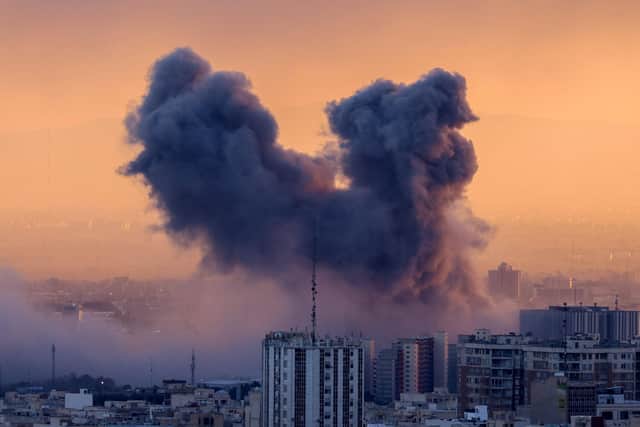
The longer the war in the Middle East continues, the more likely it is there will be economic damage in the UK, Sir Keir Starmer has warned, as fuel prices spiked and the stock market tumbled.

The Prime Minister insisted the economy was resilient and well placed to absorb the “likely impact” on households and businesses.
He acknowledged people’s concerns about the threat of rising bills in the wake of the US-Israeli assault on Iran and Tehran’s reprisals against countries across the region.
Oil prices have soared above 100 dollars a barrel for the first time since 2022 in response to the crisis.
Petrol has been priced at £1.70 per litre at some service stations, with diesel heading towards £2. Motorist groups like the AA advised drivers to consider cutting out “non-essential journeys” to preserve fuel.
London’s FTSE 100 Index fell nearly 2 per cent soon after opening this morning as the Middle East conflict caused an acute supply crunch.
Meanwhile some major mortgage lenders are poised to push up rates tomorrow, with some smaller providers temporarily withdrawing products.
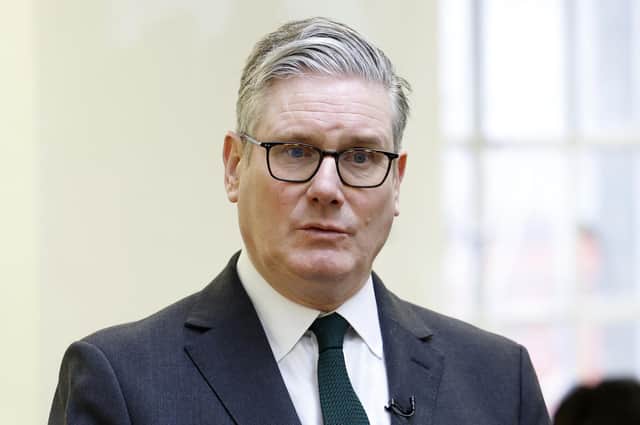
Speaking from a community centre this morning, Sir Keir said: “People will sense, you will sense I think, that the longer this goes on, the more likely the potential for an impact on our economy, impact into the lives and households of everybody and every business.
“And our job is to get ahead of that, to look around the corner, assess the risk, monitor the risks, and work with others in relation to that.”
US President Donald Trump sought to play down the impact of the turmoil he has unleashed, insisting the prices will “drop rapidly when the destruction of the Iran nuclear threat is over” and were a “very small price to pay”.
“ONLY FOOLS WOULD THINK DIFFERENTLY,” he asserted in a post on his Truth Social platform.
Most UK households will be protected from the impact of rising energy prices in the short-term by the energy price cap. But rising oil prices will feed through to higher costs at petrol stations.
And the risk of high energy costs pushing up inflation means the Bank of England is now unlikely to cut interest rates this month, as had previously been expected.
Sir Keir is under pressure from opposition parties to announce emergency help to protect consumers from the price hikes.
Tory leader Kemi Badenoch has called on Rachel Reeves to cut fuel duty, while Lib Dem boss Sir Ed Davey has said the Government should reassure Britons it will step in if energy costs increase dramatically after the price cap ends in July.
Sir Keir said there was “more resilience” in the UK economy and the public finances than there had been at the time of the energy price shock triggered by the Ukraine invasion in 2022.
He said the energy cap would protect households from the impact of turbulence in the markets “but of course, businesses and others will be concerned to watch carefully what’s going on”.
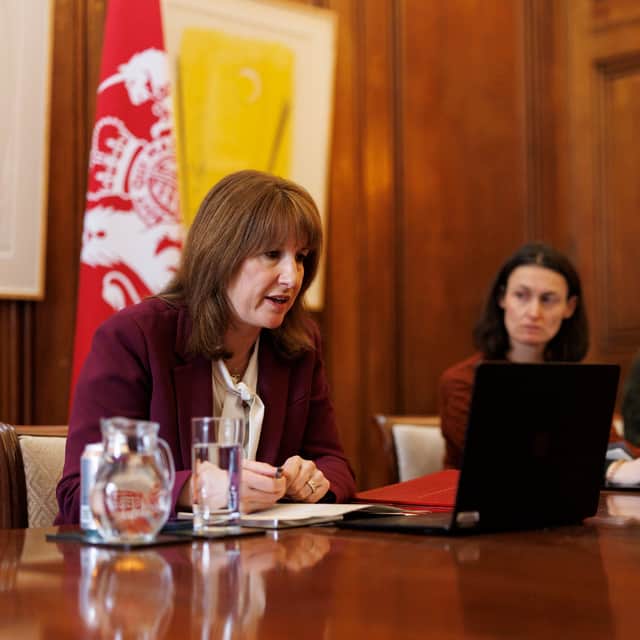
Finance ministers from the G7 group of leading democracies, including Ms Reeves, met virtually this afternoonto discuss the crisis.
A joint statement from the group of ministers revealed they had discussed a possible joint release of petroleum from reserves in an attempt to reduce the economic shock of the oil price hike.
But no immediate action appeared likely following the meeting, with the G7 pledging to “continue to closely monitor the situation and developments in the energy markets” and meet when needed.
Speaking in the House of Commons afterwards, Ms Reeves said she stood ready “to support a coordinated release of International Energy Agency oil reserves”, explaining that the conflict is “likely to put upward pressure on inflation”.
“A rapid deescalation in the Middle East remains the best way to protect us from rising energy bills, but as the situation continues to unfold my priorities will continue to be helping families with the cost of living and protecting the public finances,” she told MPs.
Ms Reeves added that Financial Secretary to the Treasury Lord Livermore would lead discussions with rural MPs about support for people using heating oil.